
The Illusion of Favorable Odds
Many players enter casinos believing that certain games offer better odds than others, often influenced by anecdotal experiences or popular myths. However, the reality is that all casino games are designed to give the house a statistical edge. For instance, while some games like blackjack or poker may seem to offer better chances of winning, the odds are still skewed in favor of the casino when considering the long run. This misconception can lead players to make poor betting decisions, thinking they have a better shot at winning than they actually do.
It’s important to understand that the odds of each game are calculated based on a combination of gameplay mechanics and statistical probabilities. Take roulette, for example; some players believe that betting on red or black gives them a nearly 50% chance of winning, overlooking the house edge due to the presence of green pockets. This is a classic illustration of how perceived odds can lead to misunderstandings about actual probabilities in the casino environment, particularly when considering factors like instant casino withdrawal time which can influence player decisions.
Moreover, the variance in payout structures can also cause confusion among players. A game with a high payout might seem appealing, but its odds of winning are often drastically lower than those of games with more modest payouts. Understanding these nuances is crucial for players who genuinely want to improve their chances, as they can often rely on information that’s oversimplified or misleading.
The Role of Randomness in Gambling
A common myth surrounding casino odds is the belief that outcomes can be influenced or predicted based on previous results. Many players fall into the trap of thinking that they can ‘read’ the game and predict outcomes, particularly in games such as slots or roulette. However, most modern casinos employ Random Number Generators (RNGs) that ensure every outcome is completely random, making it impossible to predict future results based on past occurrences.
This belief in the predictability of outcomes often leads players to develop strategies that do not hold up under scrutiny. A player who believes they are on a ‘winning streak’ may double down on bets, convinced that luck is on their side, when in fact, the chips are simply falling in their favor by sheer coincidence. This psychological phenomenon can be detrimental, as it may result in significant losses when the random nature of gambling ultimately prevails.
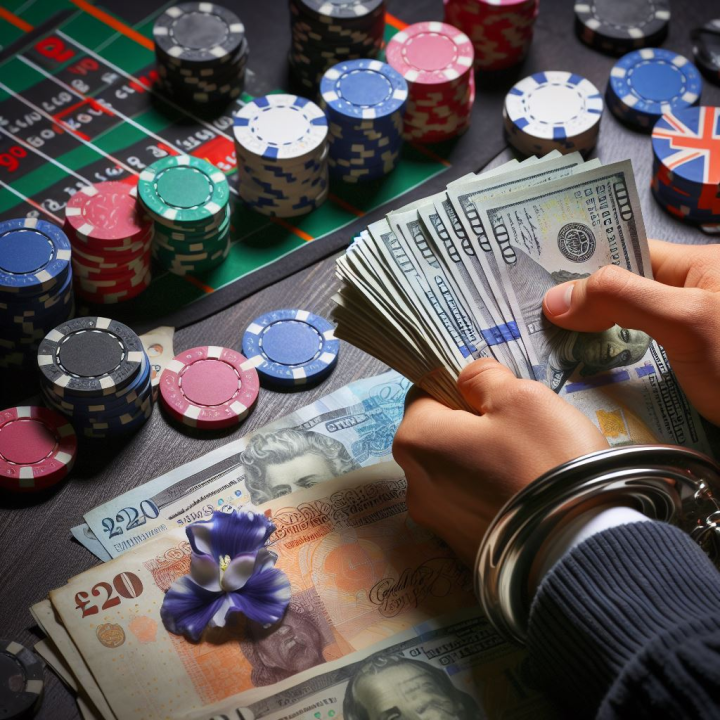
Furthermore, players often overlook the fact that casinos are meticulously designed environments, optimized to create a sense of excitement and encourage prolonged play. This design, combined with the unpredictability of games, means players are often caught up in the thrill of the moment, overlooking the fact that each game plays out independently of previous results. Understanding that outcomes are random can help players manage their expectations and approach gambling with a more rational mindset.
The House Edge: What It Really Means
The concept of the house edge is central to understanding casino odds, yet many players either underestimate or misunderstand its implications. The house edge represents the average profit a casino expects to make from each bet over time, which varies from game to game. For example, games like baccarat might have a lower house edge compared to others like keno, making it more favorable for players who are looking to minimize losses.
Another misconception is that the house edge is a fixed percentage that applies to every single bet. In reality, it represents long-term averages calculated over countless games, which means individual sessions can deviate significantly from expected outcomes. A player may win a few rounds of a game with a high house edge, but over time, the odds will balance out, and the house will reclaim its advantage. This understanding can help players recognize the importance of bankroll management and the necessity of playing for enjoyment rather than profit.
Moreover, it’s essential to note that the house edge doesn’t guarantee that players will lose, but rather, it shows the likelihood of a casino’s financial gain over time. Many players come to casinos with the hope of winning big, but it’s crucial to be aware that the odds are stacked against them. By embracing the reality of the house edge, players can adjust their expectations and focus on having a positive gaming experience, instead of solely chasing financial rewards.
Betting Strategies: Myths and Realities
Among the myriad of myths surrounding casino odds, betting strategies occupy a prominent position, often leading players to believe they can ‘beat the system.’ Popular strategies, such as the Martingale system, propose that players can recover losses by incrementally increasing their bets. While these strategies sound appealing, they do not change the underlying odds of the games, and players can quickly find themselves facing devastating financial losses.
Equally troublesome is the belief that certain betting patterns can lead to guaranteed wins. Many players may adhere to systems that suggest they should always place maximum bets or avoid ‘unlucky’ tables, operating under the misconception that they can influence their chances of winning. However, regardless of the strategy employed, the randomness of games ensures that luck will ultimately dictate outcomes. Players who adopt these strategies often ignore the fundamental nature of gambling, which thrives on chance rather than skill.
The reality is that while players can use strategies to manage their bankroll or determine when to exit a game, there is no foolproof method to increase their odds of winning. Emphasizing enjoyment and responsible play should take precedence over chasing elusive strategies. Understanding that gambling is primarily entertainment can lead to a more balanced approach, allowing players to enjoy the experience without getting trapped in the belief that they can outsmart the system.
Understanding the Importance of Responsible Gaming
In the world of casinos, understanding odds and myths is essential for fostering a culture of responsible gaming. Many players become overly focused on winning, which can lead to harmful behaviors and unrealistic expectations. By debunking myths about casino odds, players can prepare themselves for a healthier gaming experience, acknowledging the entertainment aspect while remaining aware of the inherent risks.
Encouraging discussions about responsible gaming and educating players about the realities of odds can help combat the stigma associated with gambling. Casinos often provide resources to support players in making informed decisions, including information on odds, responsible gaming practices, and player support services. This promotes a more balanced understanding, allowing individuals to enjoy their time without falling into the traps set by common myths.
Ultimately, recognizing that casinos are businesses designed to operate at a profit can help players maintain a realistic viewpoint. By separating the entertainment value from the pursuit of financial gain, players can enjoy the thrill of the game while safeguarding themselves against potential losses. Responsible gaming is not just about setting limits; it’s about fostering an overall understanding that enhances the gaming experience in a positive and mindful way.